
“On the first dive, I lost feeling in my elbow, which returned as worse shoulder pain. Ignoring it, I did a second dive- pain eased during, but came back even worse. A call to the doctor confirmed that I needed treatment immediately.”
Diving in remote areas and exotic locations is a dream for many, offering unparalleled opportunities to explore the underwater world. However, for those who decide to venture far from shore, there is always a risk. Even the most experienced divers can encounter unexpected medical emergencies, primarily decompression sickness (DCS).
Decompression sickness, commonly referred to as “the bends,” is a serious medical condition that arises when divers ascend too rapidly, leading to the formation of nitrogen bubbles in the bloodstream and tissues. This condition, predominantly resulting from a decompression ascent to the surface, can manifest through a spectrum of symptoms, including joint pain, paralysis, and, in severe cases, mortality. Access to a hyperbaric chamber is critical in such scenarios, providing a controlled environment for effective treatment and significantly improving patient outcomes.
In a recent case study, a diver recounted his unexpected encounter with decompression sickness (DCS), the prompt medical intervention he received, and the pivotal role of hyperbaric therapy in his recovery.
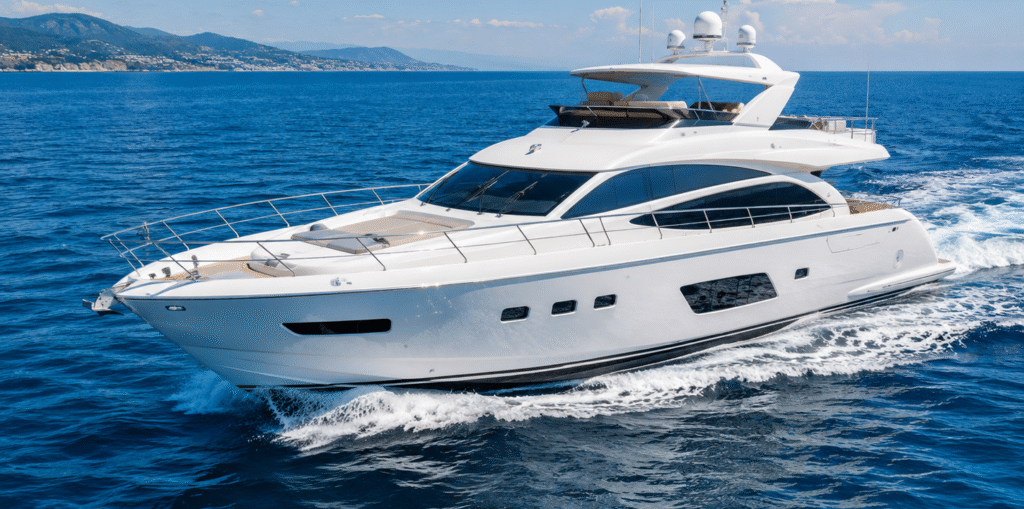
“It all started with a peculiar discomfort in my elbow,” he detailed, describing a routine dive from a 70-meter leisure yacht off the coast of Papua New Guinea. “Initially, breathing oxygen alleviated the discomfort, so I dismissed it. However, the pain later intensified.”
Concerned about the potential onset of DCS, he opted for a precautionary 24-hour hiatus from diving. Nevertheless, upon resuming underwater activities, his condition deteriorated. “This time, the pain localized to my shoulder, and post-surfacing, it progressively worsened,” he elaborated. “That’s when I realized the necessity of consulting a specialist.” Following a consultation with a hyperbaric physician, his suspicions were validated and immediate treatment for DCS was imperative.
Fortunately, the crew promptly initiated a Table 6 hyperbaric treatment and internationally recognized protocol for addressing decompression sickness. This protocol involves a structured regimen within the hyperbaric chamber, encompassing specific durations at varying depths to facilitate the safe elimination of excess nitrogen and optimize oxygen delivery to compromised tissues. During the treatment, the diver was subjected to a depth of 60 feet within the chamber, resulting in a near-instantaneous alleviation of symptoms. “By the time we ascended to 15 feet, the majority of the pain had subsided,” he remarked.
Reflecting on his ordeal, he underscored the criticality of early symptom recognition and prompt intervention in cases of DCS. His narrative underscores the indispensable role of timely medical care and the availability of hyperbaric facilities in safeguarding divers during underwater expeditions.
“If that chamber hadn’t been accessible, I would’ve required a medical evacuation,” he stated. “This would have entailed an arduous flight in a low-altitude helicopter to Port Moresby.”
The nearest hyperbaric chamber was situated in a hangar at the international airport, presenting logistical complexities. “The journey would have been prolonged and stressful while contending with the symptoms. Immediate access to treatment aboard the vessel was transformative.”
This incident serves as a compelling reminder that, although decompression sickness is relatively infrequent, meticulous preparation is paramount when operating in extreme environments. When unforeseen challenges arise beneath the surface, the presence of an onboard hyperbaric chamber can delineate the boundary between complete recovery and potentially life-altering consequences.